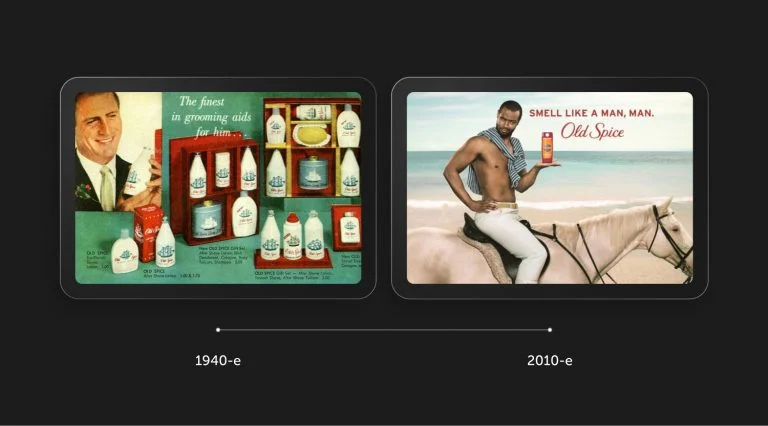
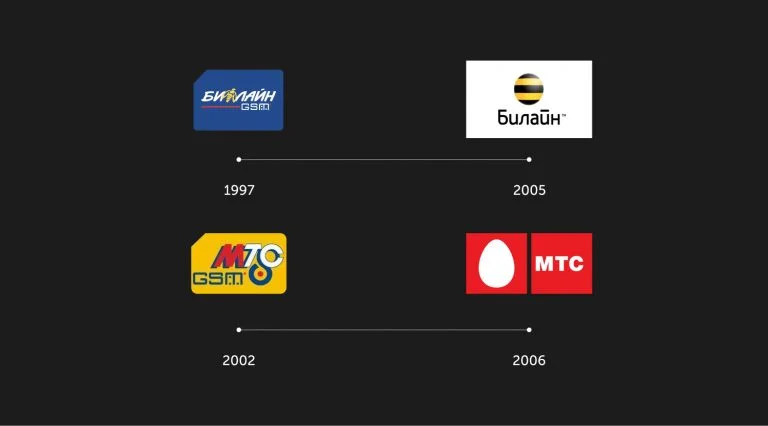
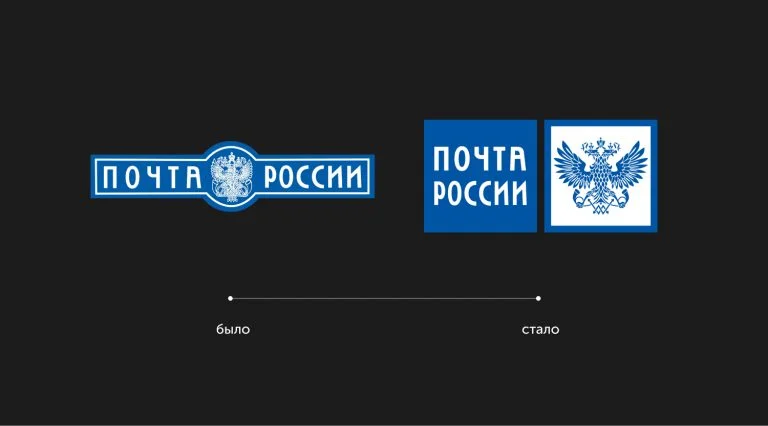
We have identified three common reasons a business may need to rethink its direction and consider rebranding. Such a change can be challenging, but a well-planned one can help the company adapt.
1. An outdated image
If your brand feels old-fashioned, dull or confusing, or no longer meets your audience’s expectations, it may be time for a change.
Whatever your business, it needs a distinctive image that reflects the essence of its brand. Strong branding matters not only to fashionable startups but also to established products and services.
Branding can strongly influence how people perceive your company. It should help them understand what you offer and how you solve your audience’s problems. Speaking with customers is the best way to learn what your branding says about your business. If it fails to interest them, that is a clear sign it is not doing its job.
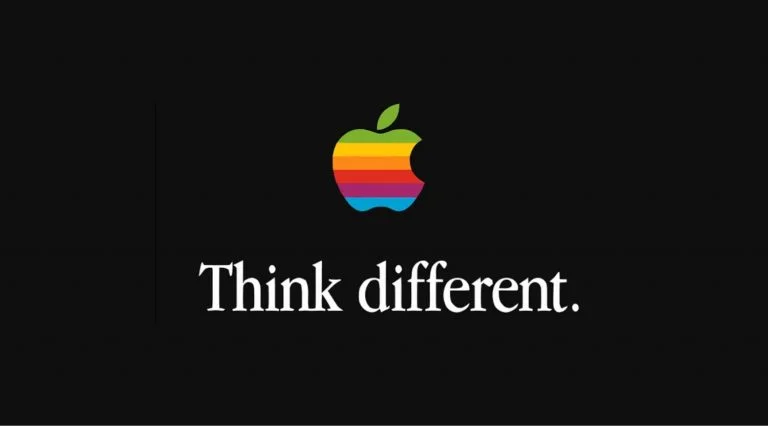
Example: In the 1990s, Apple faced an outdated product image and declining market position. After Steve Jobs returned, the company undertook a major rebrand. The image shows its famous campaign with the grammatically unconventional slogan “Think Different.”
2. A damaged reputation
Brands sometimes face crises that can seriously harm their reputation. Causes may include unsuccessful products, scandals or shifts in public opinion. In a world where information spreads instantly, one scandal can do lasting damage. In such cases, rebranding may help a company address past mistakes and show it is ready to change and adapt.
To identify reputation problems, monitor mentions of your brand on social media and forums, collect customer feedback through surveys and reviews, analyse sudden sales declines, and keep track of what people are saying about your company.

Example: In the 1980s, Harley-Davidson was close to bankruptcy amid quality problems and competition. After its rebrand, the company improved its motorcycles, created owners’ clubs and emphasised its distinctive identity.
3. A change in strategy
When a company changes its business strategy to enter new markets or serve a different audience, rebranding may be an essential step. These reasons are not always within the company’s control and are often linked to changes in the market where it operates.
Companies grow and evolve: they add products and services, enter new markets and industries, and encounter new technologies. A change in direction can also come from within. Whatever the reason, if your brand no longer reflects what you offer, that may be a reason to rebrand.

Example: In the early 2000s, Lego faced financial difficulties and brand challenges. It rebranded with a focus on innovation, including sets inspired by popular films and video games. This attracted a new audience and helped the company return to success. Its shelves still feature sets with much-loved characters.