Grandmed
Integrated marketing for a healthcare group: we started with one clinic and expanded to the entire group of companies.

Integrated marketing for a healthcare group: we started with one clinic and expanded to the entire group of companies.
Average annual cost per enquiry, even during the crisis
Average cost per enquiry for reproductive medicine
Grandmed specialties launched into marketing
Reduction in bounce rate in 2022 compared with 2021 — approximately 3,000 users
Growth in social media traffic

My personal approach to project management, and an agency principle, is to go beyond narrowly defined tasks and develop the client's marketing as a whole, addressing every aspect we encounter. On this project, alongside paid search and targeted advertising, we listened to calls, advised on sales and suggested ways to run email campaigns and improve the website.
We reviewed market and audience research and considered how to apply it to targeted advertising and paid search.
We developed visuals based on research and data, communicating the essence of each centre.
We developed a campaign structure around the clinics' brands, doctors' reputations and services.
We identified additional opportunities for growth.
We began the project with market research. We immersed ourselves in the client's business, drawing on market studies, the client's understanding of its audience, previous marketing experience and competitors.
Medical information in any specialty is difficult for a general audience to understand. At the initial awareness stage, educational content should answer users' questions, help them overcome fears and explain how to navigate the industry. Only then should communication explore other audience pain points and behavioural patterns.
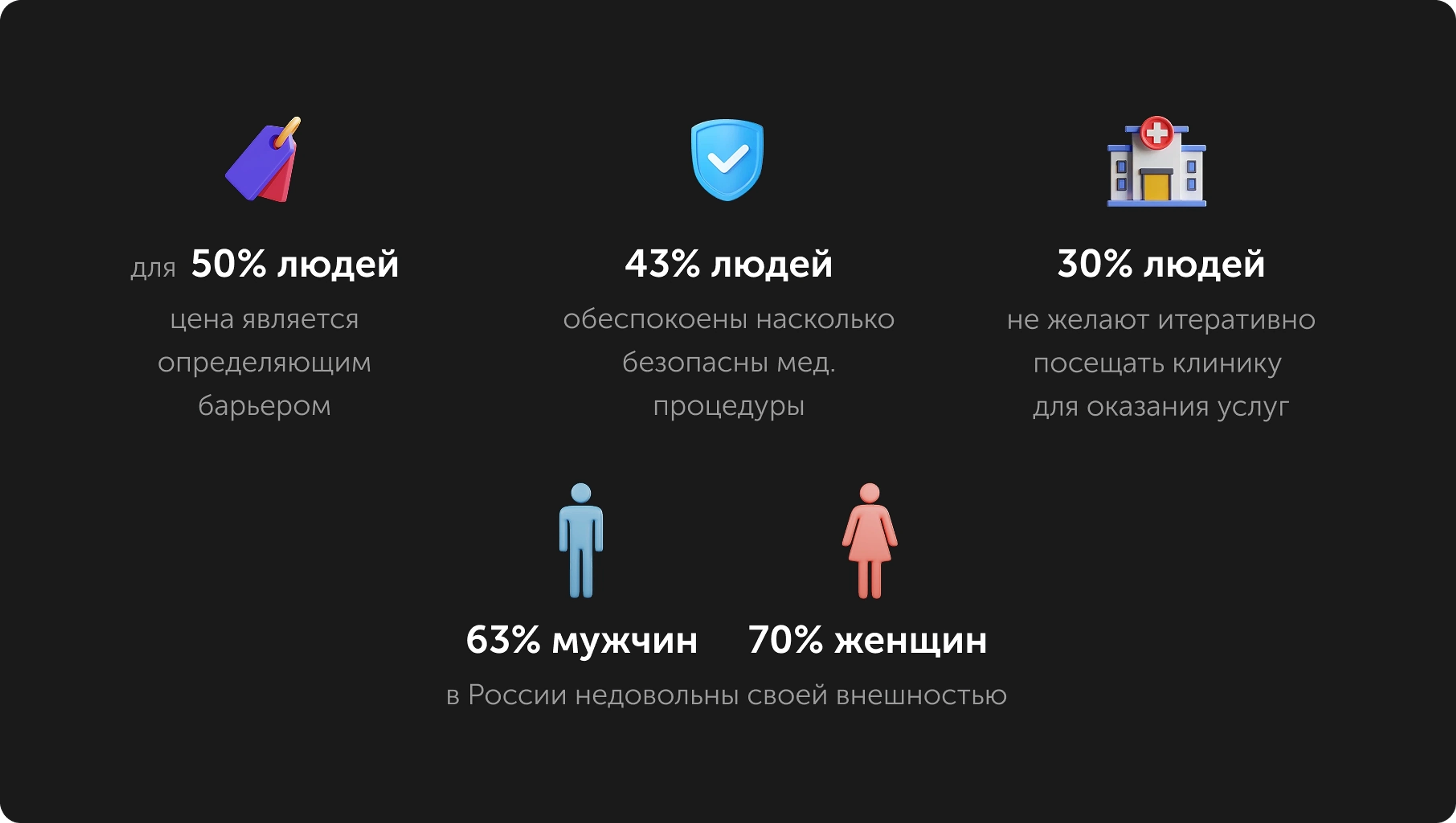
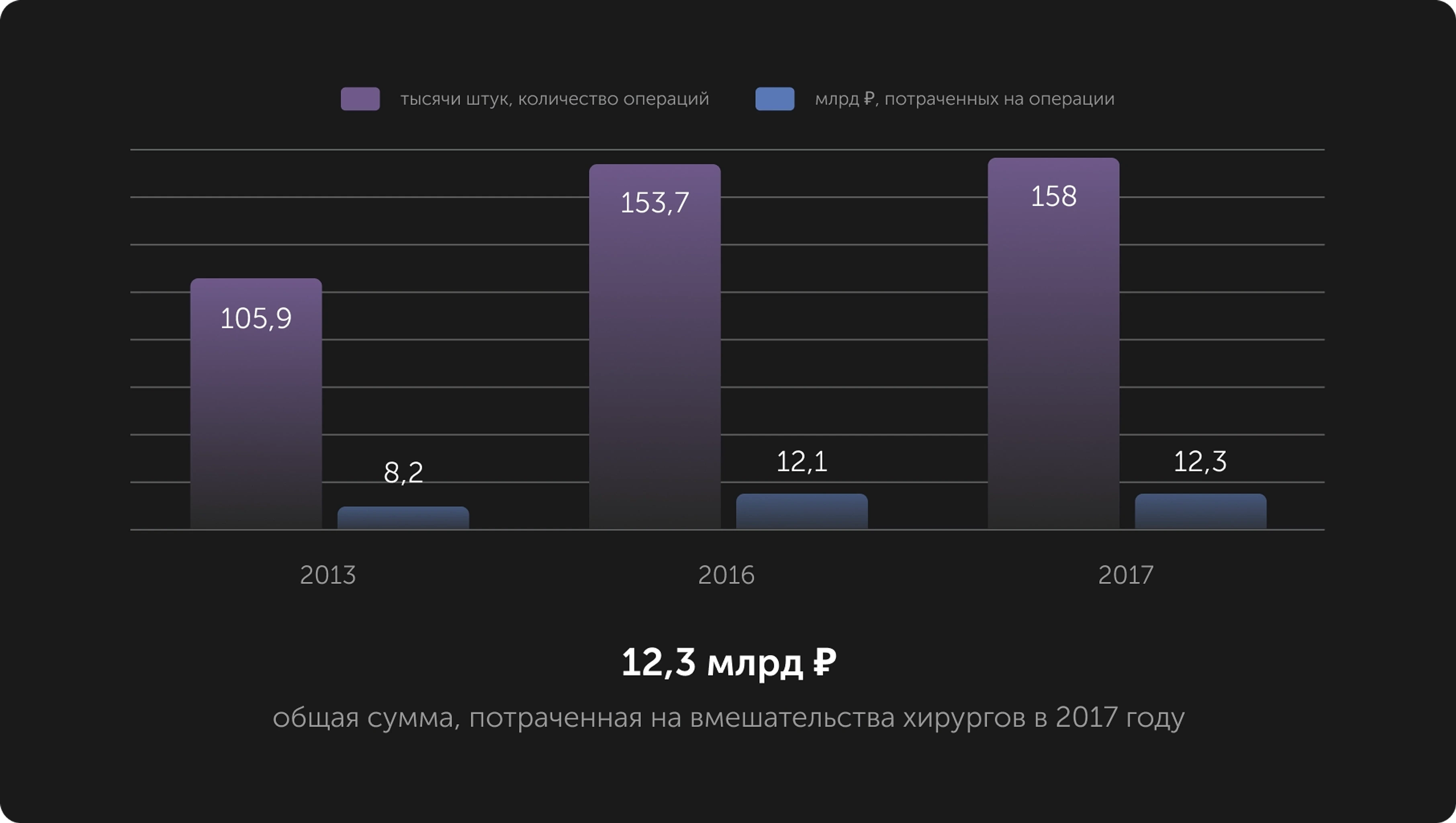
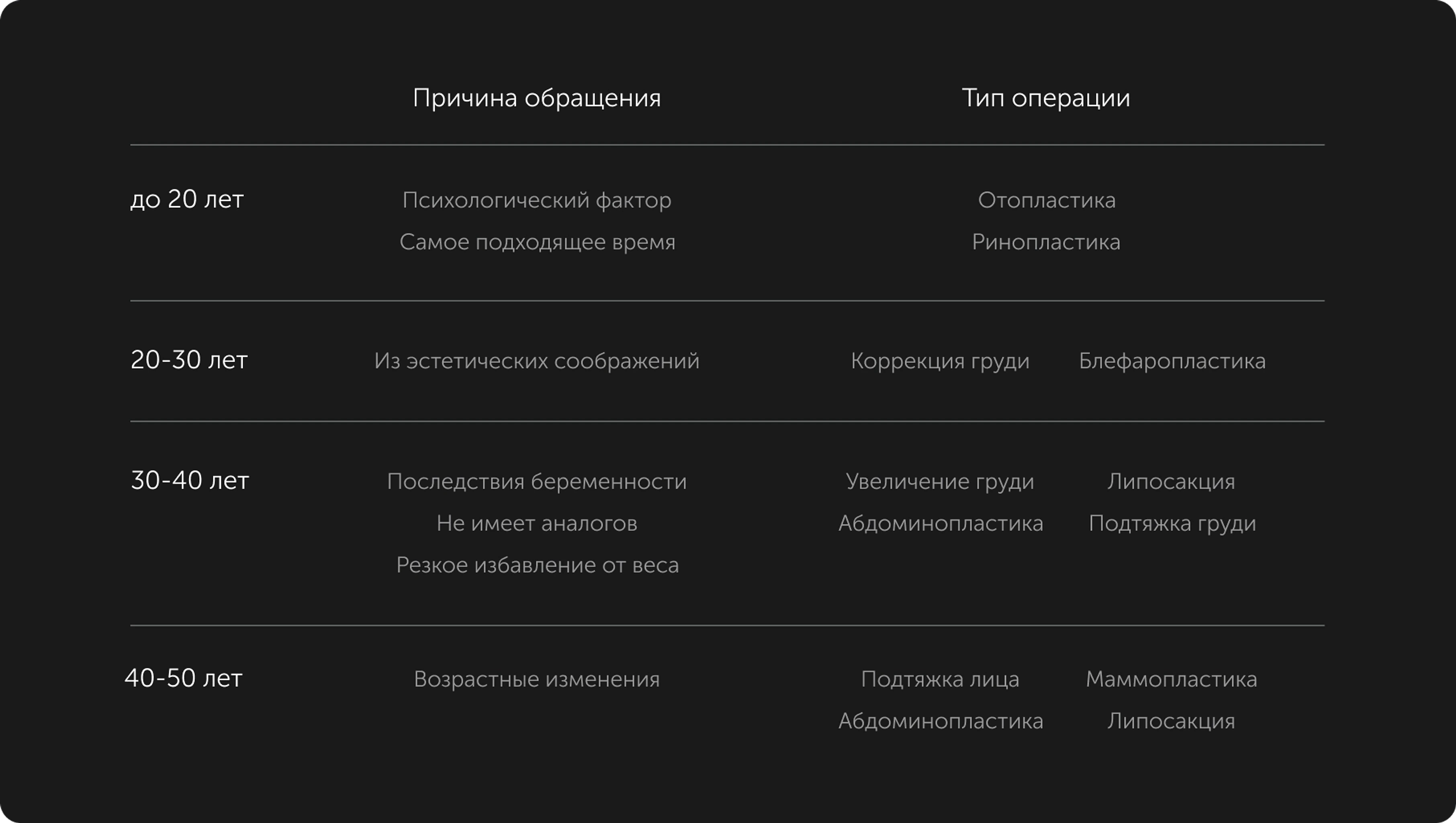
Together with the group's team, we identified what matters in healthcare marketing.
We shape slogans around clients' emotional and functional needs.
We identified the services people seek on their first visit and those they purchase later.
It is essential to show the details of procedures, the clinic environment and the appointment experience.
People tend to deliberate for a long time before deciding to undergo a procedure.
A broader trend that is especially engaging for healthcare audiences and often gains traction organically.
A doctor's reputation and the trust they inspire influence decision-making.
We develop every message around the results and feelings clients experience, rather than descriptions of their problems.
Everything has its season, including procedures: peels in winter, a glowing face for the holidays and a summer-ready figure.
We reviewed how key competitors market themselves, what they discuss and what they promise clients.
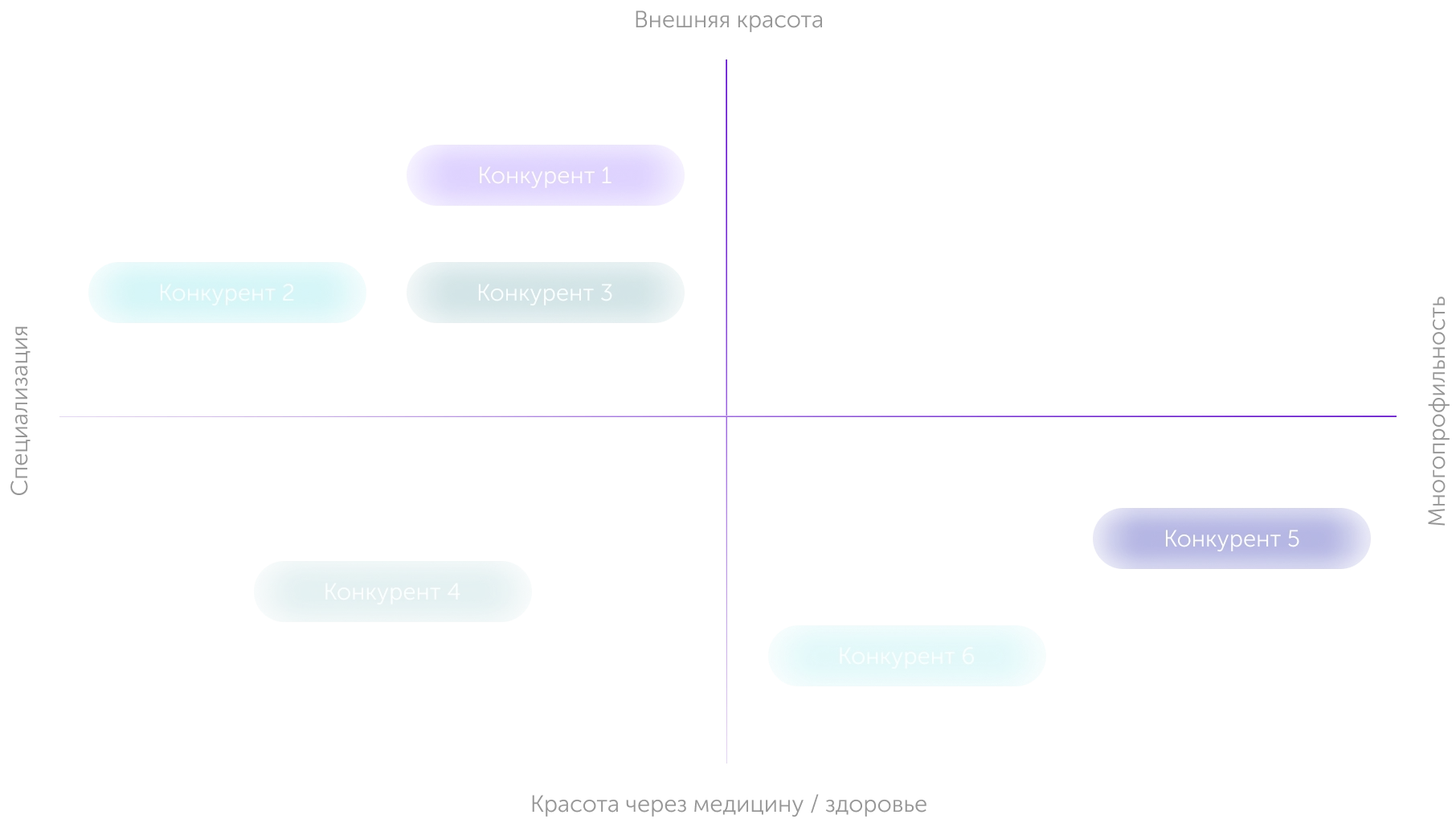
We found that most companies in the aesthetic medicine market communicated similar values — advanced equipment, professionalism and before-and-after beauty — but almost none told clients how their lives would change.
Drawing on the client's experience and our market analysis, we developed two overarching ideas: “The freedom to choose yourself” and “Your health takes centre stage”.
Research matters when it delivers practical value, rather than for its own sake.
Market research helped us understand trends and opportunities for development. Audience research answered these questions:
The audience descriptions had much in common, including geography and values. However, we also identified key differences in preferences, concerns and problems. These provided a basis for planning an effective strategy.

We carried out a great deal of additional work, investing all our resources and capabilities in the project and trying to help. We also understand that the better our clients perform, the more valuable working with us becomes for them. That is why we have done, and will continue to do, things outside the contract that can benefit the client's business.
In healthcare services, the ethical principle of “do no harm” must be accompanied by compliance with numerous legal restrictions. This matters.
A multidisciplinary healthcare group offers many services, each with its own indications and restrictions.
The agency's marketers needed a thorough understanding of the subject and, ideally, a knowledge base always at hand.
We therefore compiled a spreadsheet listing and describing services and linking them to advertising activities. This brought medicine and marketing together.
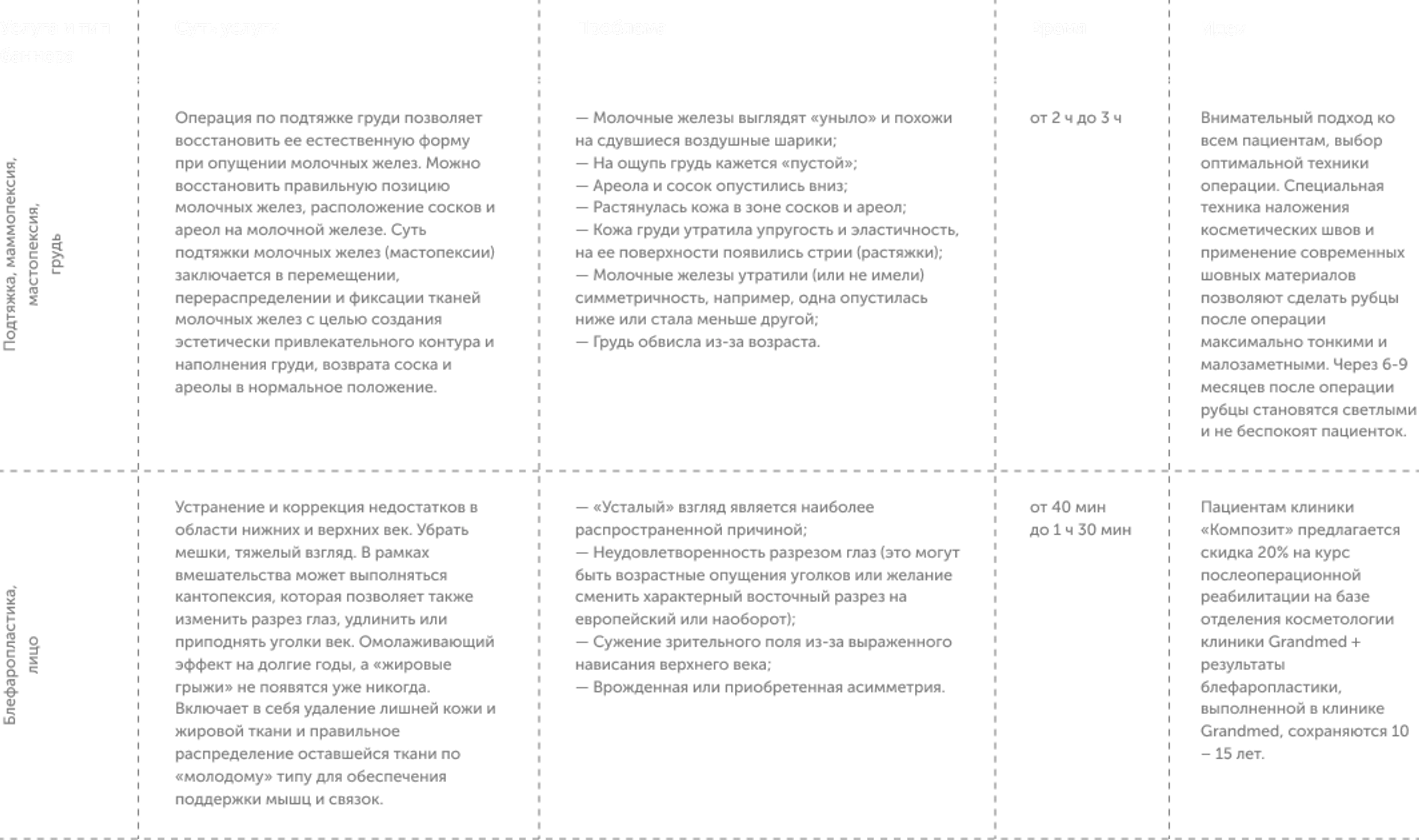
Once all the necessary data had been gathered and consolidated, we developed acquisition methods. We devised a distinct approach for each of the four clinics.
We selected a distinct visual concept and message for each clinic. It was important to stand out from competitors while meeting the needs of people searching for the right centre.
Art inspired the advertising for a clinic dedicated to creating beauty and perfection.
References to vivid, recognisable imagery from painting masterpieces became a visual anchor for our creative assets. Lively images combined with the classics engage people emotionally and leave an impression.
We played with comparisons between past and present ideals of beauty. Through collage, we showed that the aesthetics of women's appearance transcend fashion and remain an enduring value.
We moved from imagery to attention-grabbing copy. We monitored audience responses to each message, identifying what resonated and what left people indifferent, then adjusted according to the results.





Our visuals evoked 20th-century beauty icons: confident, glamorous women from cinema and glossy magazines who led the fashion world and changed society. We adapted the concept to each service.
We paid particular attention to seasonal procedures, guided by both demand and medical indications. Peels are not performed in summer, while winter allows more time for lengthy, intensive procedures.
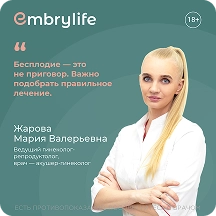
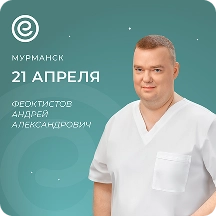
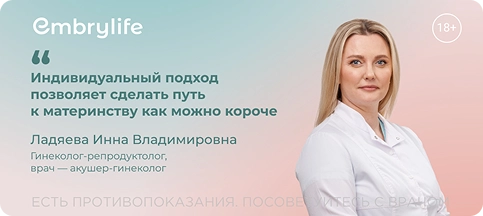
To retain the audience, we used banners featuring information about doctors. The image of a reliable, competent doctor inspires trust, while their reputation generates demand for services.
Because the clinic serves a high-status audience, our key messages emphasised belonging to a “select community”. Exclusivity and individual attention are particularly meaningful to independent, influential people.


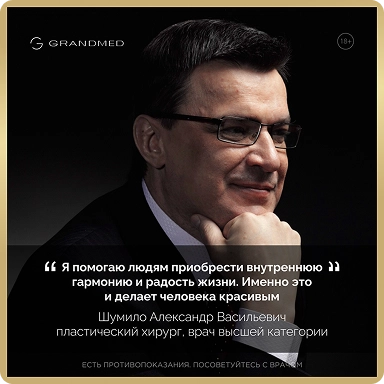
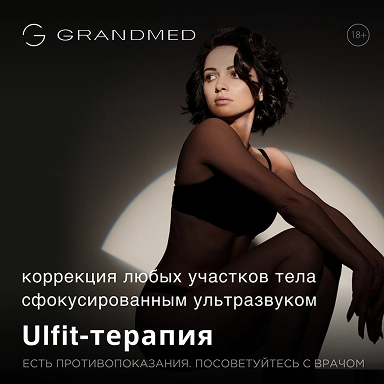
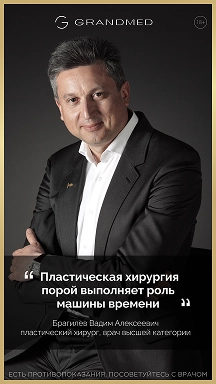
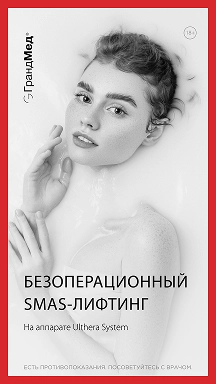
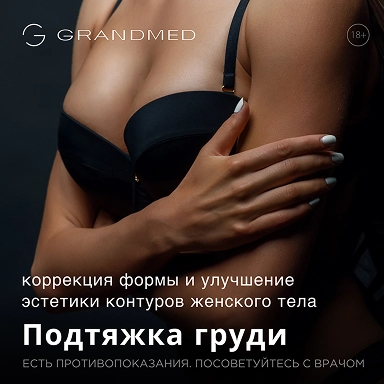


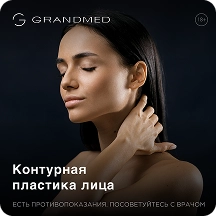
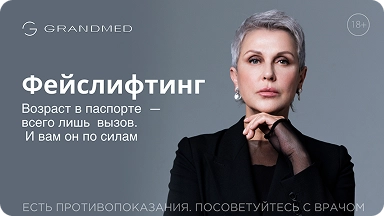
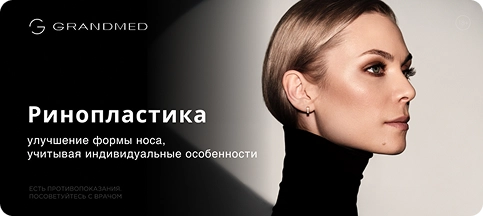
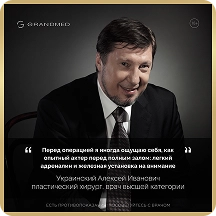



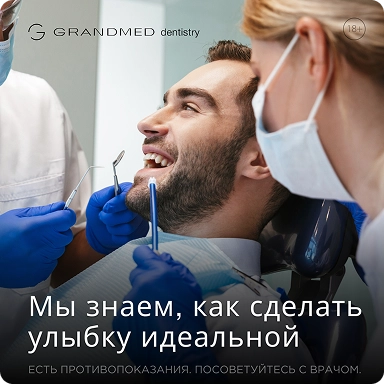
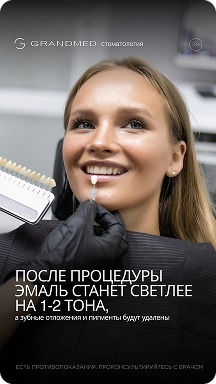
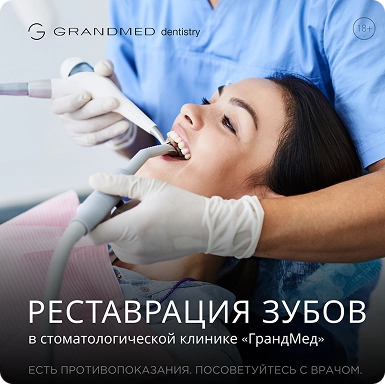
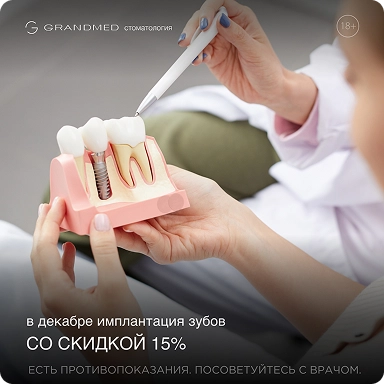
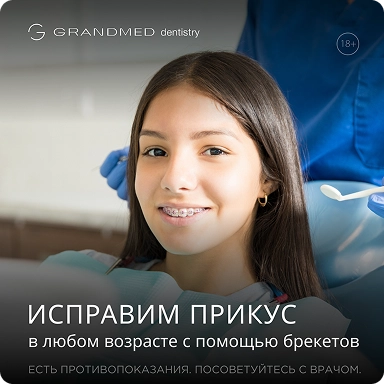
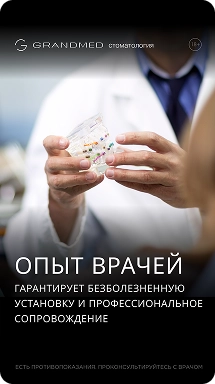
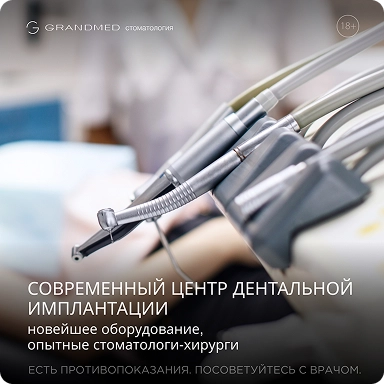
In dentistry, the audience already recognises its need. People see dental treatment as necessary, even if expensive, and are already looking for a specific service and a good clinic. To connect with patients, we showed aesthetically pleasing results and emphasised the doctors' professionalism and experience with complex, neglected cases.
We tested different visual approaches and sought to avoid frightening content. This matters in dentistry because many people fear dentists.
We advertised free preliminary consultations so people would feel comfortable visiting the clinic, discussing their problem and taking the first step towards a decision.
We focused on specific clinic services, explaining their advantages through several versions of the creative assets.
We showed before-and-after results. Visual information strengthens clients' trust and influences their choice emotionally.



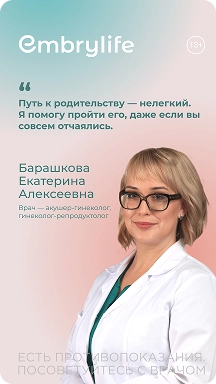
What can people do if they are struggling to become parents? Keep hoping and keep trying. This is the most delicate topic and the most sensitive client audience, as the wait can sometimes last years.
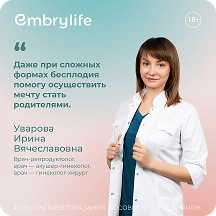
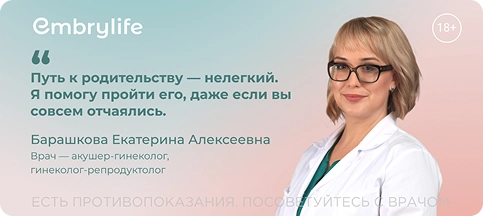
A highly informed audience, the doctor's authority and a personalised approach: general recommendations are impossible because every case is unique. The communication strategy centred on confidence and a positive outlook.
IVF marketing is not limited to the region where the clinic is located. Patients look for a high-quality clinic, a doctor they trust and established experience, and assess other people's results. They may therefore travel from anywhere in the country.
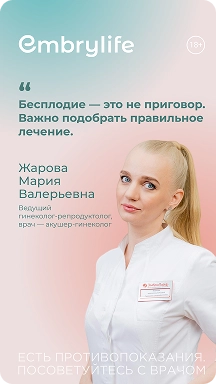
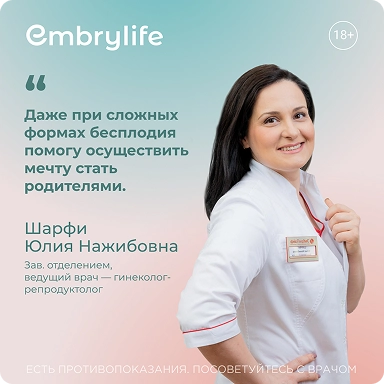
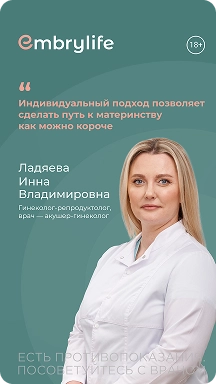
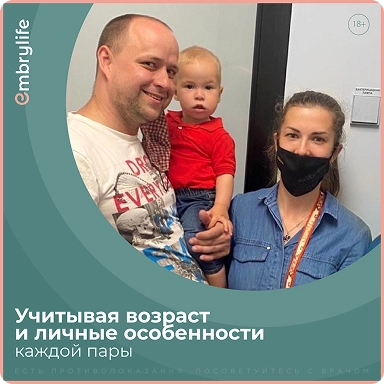
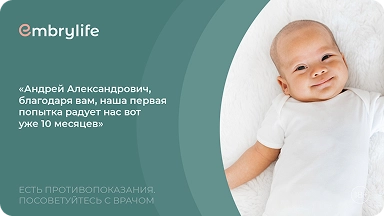
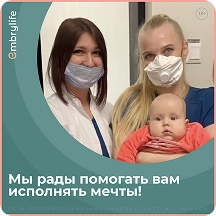
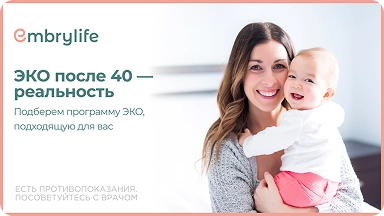
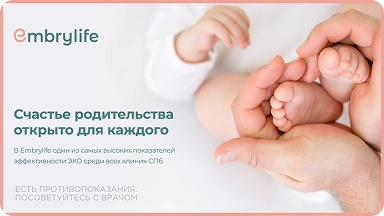
The banner visuals focused on the emotions and hopes of prospective parents — potential clients of the reproductive medicine centre.
We emphasised care and doctors' ongoing involvement in infertility treatment. “Together” is a psychological factor that helps patients entrust their future to a doctor.
Free consultations with reproductive medicine specialists were held in other cities to inform more people and make the service accessible across regions. We promoted this format separately.
We used user-generated content from clinic visitors and patient testimonials. Other people's successful experiences often become the deciding factor.
Women receiving gynaecological care may later become Embrylife clients. Conversely, following IVF, expectant mothers continue their pregnancy care with their doctor.





Research, creative assets and advertising campaigns will not deliver results without analytics and performance evaluation. This routine work helps save budget by eliminating unsuccessful hypotheses and investing in combinations that perform better.

We ran campaigns at different times for different clinics, taking seasonality into account and continually updating banners. At the start of the project, the task was lead generation through Facebook (now banned in Russia), with VK as an additional channel on a smaller budget.
We used paid search and targeted advertising together:
— Paid Social Advertising reaches more new audiences and brings them to social media and the website. It also reminds existing audiences about the clinic.
— Paid Search Advertising attracts people already searching online for a service, captures audiences arriving through targeted ads and nurtures them further.
Together with the group's team, we identified what matters in healthcare marketing.
We completely disabled the banned social network, withdrew the budget, redirected it to myTarget and stopped Google paid-search advertising. We are experimenting with VK auctions and optimising keywords.
Following the blocks, we switched all campaigns from lead forms to website conversions, where visitors could use a form to book a consultation. We also directed VK traffic to the website.
Formats included messages to groups. We ran branded videos to attract community followers.
We tried contextual targeting based on keywords for individual services, such as permanent makeup and breast surgery. Performance was weak: the audience was large, but lacked purchasing power.
We introduced custom segments: interests not reflected in search queries and unusual for healthcare. These included specific residential developments in St Petersburg, brands and cars. These segments generated negative actions, including hidden ads and complaints.
We targeted competitors' audiences. People followed the clinic but did not take the desired action directly from the ads: they observed and eventually converted through other channels.
We gathered and analysed groups for different services, including rhinoplasty and breast augmentation, selecting those with relevant activity and followers. These audiences did not produce immediate results, but responded over time to regular nurturing.
Careful audience management and retargeting mattered. Clients do not necessarily choose the service that first attracted them. Some need more information; others need encouragement to decide. They are highly likely to return and make a purchase. Strong performance comes from a loyal audience nurtured over time through promotion.
By the end of 2022, performance had recovered, nearly reaching pre-crisis levels in November. VK did not deliver the expected effectiveness, so we retained it as a backup. Paid search is now the main channel, bringing audiences to the website, most often to promotional offer pages.
We established an analytics reporting process using Google Data Studio, first dividing reports by:
— specialty;
— service;
— ad type.
Google Data Studio (renamed Looker Studio) lets us extract, combine and visualise data in a single report or separate it by specialty.
The entire team can work online in the report together with the client.
The client always has access to current data and can ask about campaign implementation at any time. We can then decide together how best to proceed.

Grandmed (surgery, dentistry)

Grandmed (surgery, dentistry)

Grandmed (surgery, dentistry)
We worked closely with Yandex support, with a dedicated expert assigned to the project. This collaboration was valuable because Yandex could provide analyses beyond our own reach, such as comparing competitors' spending with ours and examining demand trends by service.
The client consequently gained two sources of marketing expertise and additional project analytics.
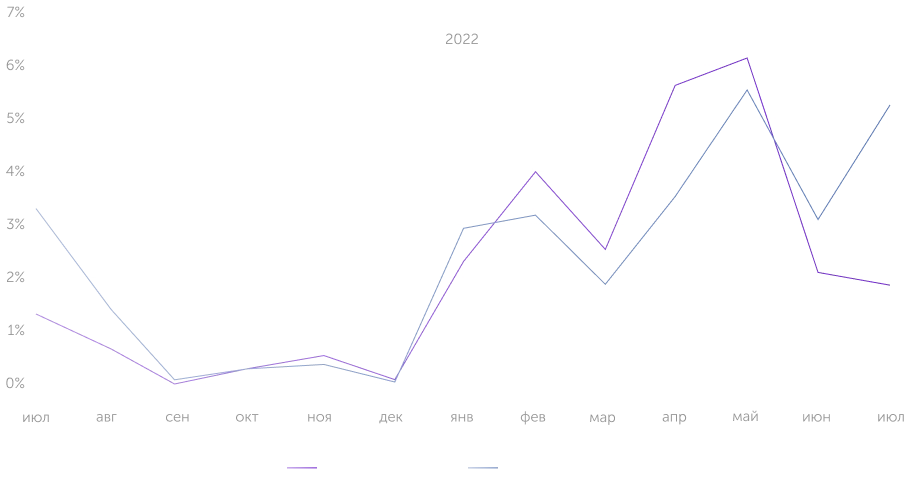
Yandex data. Healthcare Services category. July 2022. St Petersburg and Leningrad Region
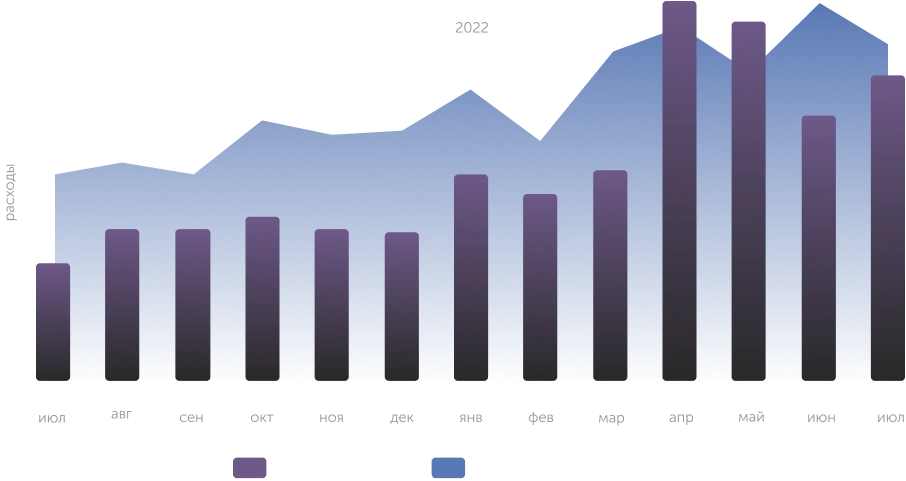
Yandex data. Healthcare Services category. July 2022. St Petersburg and Leningrad Region
Yandex data. Healthcare Services category. July 2022. St Petersburg and Leningrad Region
Combining several services in one campaign with a restricted weekly or daily budget. The system either tries to show everything at once, cannot accommodate the bids and shows nothing, or selects a single creative asset while the others remain inactive.
With a clear banner for a specific service, brand image copy neither harms nor improves performance. It simply extends the workflow by requiring a copywriter. Combining brand image copy with a brand image banner produces minimal effectiveness.
Effective campaign optimisation takes time — at least two weeks. Making immediate adjustments while campaigns are still gaining traction prolongs optimisation and reduces results. New ideas should be tested separately.
When the goal is enquiries from new audiences, ad networks produce a high bounce rate, a high cost per enquiry and low conversion. We also need to bear in mind that Google Ads networks are prohibited for healthcare, while Yandex moderation regularly imposes restrictions.
The quiz should offer greater value to users and more engaging questions. With few enquiries, we cannot use the resulting audience for retargeting. Quizzes usually work, but are better built in Tilda so campaigns can be optimised for visits to them.
We use this approach wherever possible, but targeting broad audiences proved particularly ineffective for dentistry and the Women's Health Centre. We therefore fine-tune the marketing funnel, with entry strictly through promoted posts.
Marketing never stops at a description of the client's requests. If we see an opportunity to improve something, we raise it. If we identify a weak link or a growth opportunity, we show it. This produces better results for client projects, generates new ideas and increases revenue.
We reviewed enquiries by phone, email and chat. We listened, recorded and checked which services people asked about and which problems they described.
We highlighted that clients should perceive the clinic's premium quality at every stage of their interaction.
We found that call-centre operators did not always know how to respond and became unsure. This contributed to low demand for some services.
Alongside doctors' personal accounts, we recommended closely monitoring their reputations, working with PR and other activities.
We showed how to improve pages: effective sales require a clear explanation of what a service includes and the value it offers.
We identified growth opportunities to improve service profitability, nurture audiences and attract interested clients.
To improve the effectiveness of attracting loyal audiences through advertising, we recommended developing external communications.
We audited Embrylife's social media and prepared recommendations for improvement.
We emphasised the need to develop SEOto attract more organic traffic.